
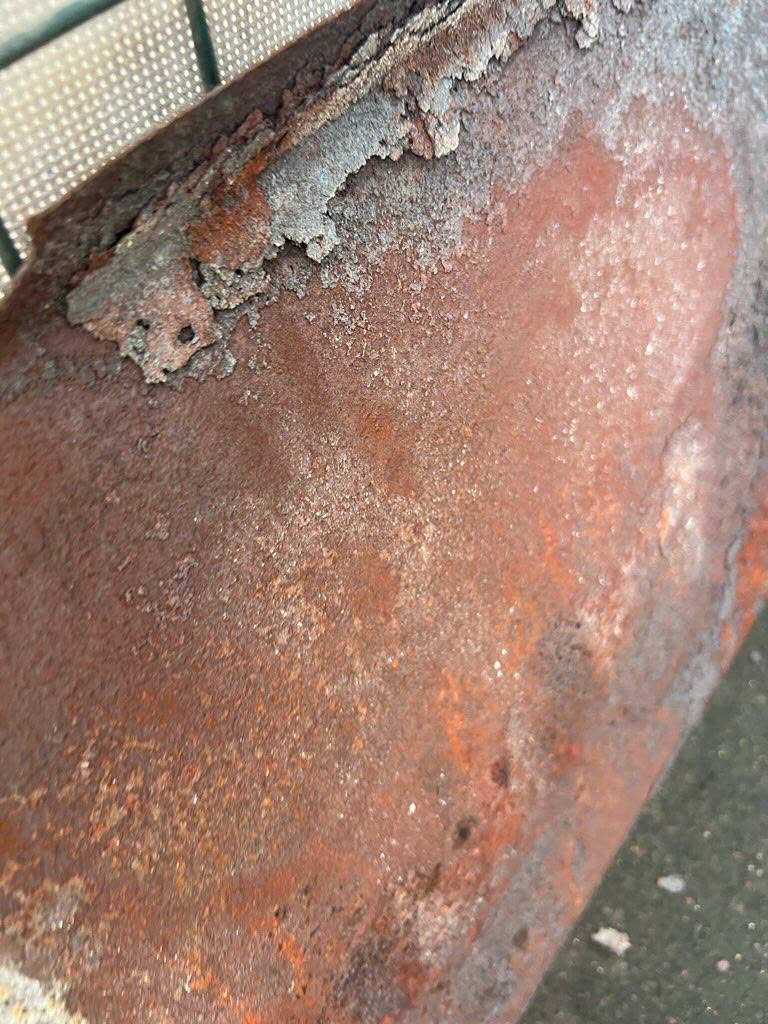
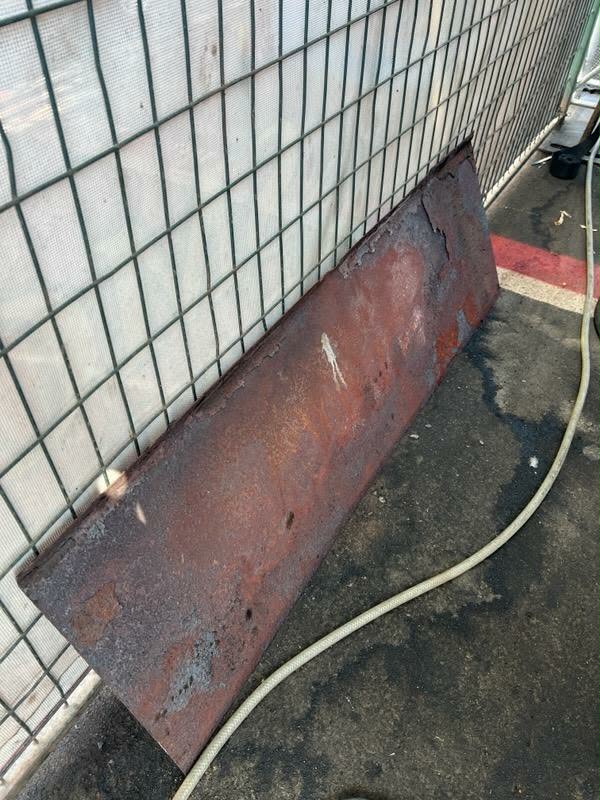
If you run an older Southern Pride XLR-1400 and you've noticed what looks like the interior ceiling flaking off and rusting through, don't panic. That's not structural. It's the air deflector, and on units this age it's a known wear item.
What This Part Actually Is
The air deflector was used in the XLR-1400 from the early 1990s through the end of production. It bolts to the top of the cooking cabinet, not to the outer shell of the smoker. Its job is to direct airflow more evenly across each hanger rack as it rotates past the diverter during the cook.
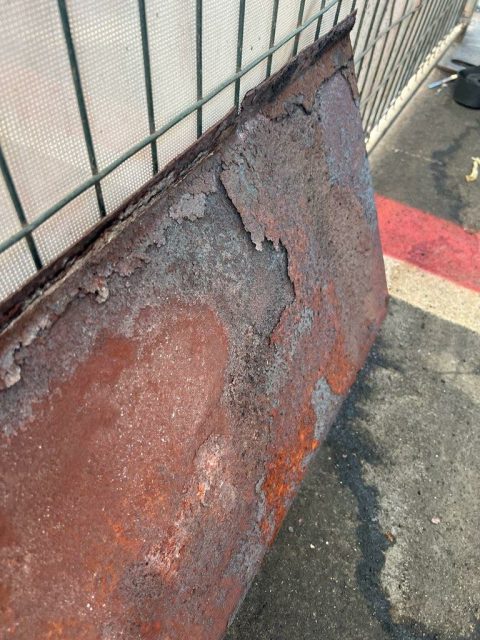
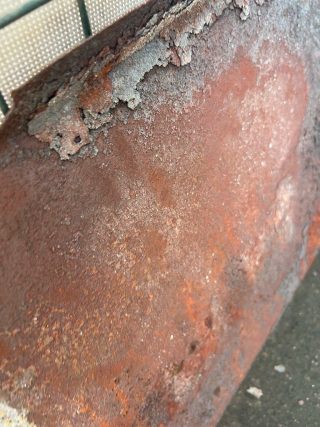
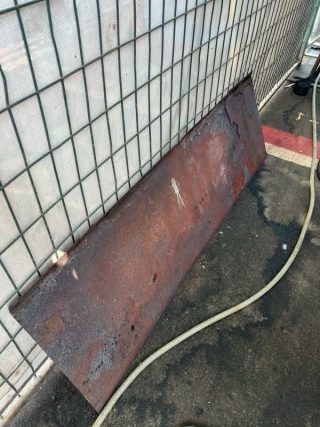
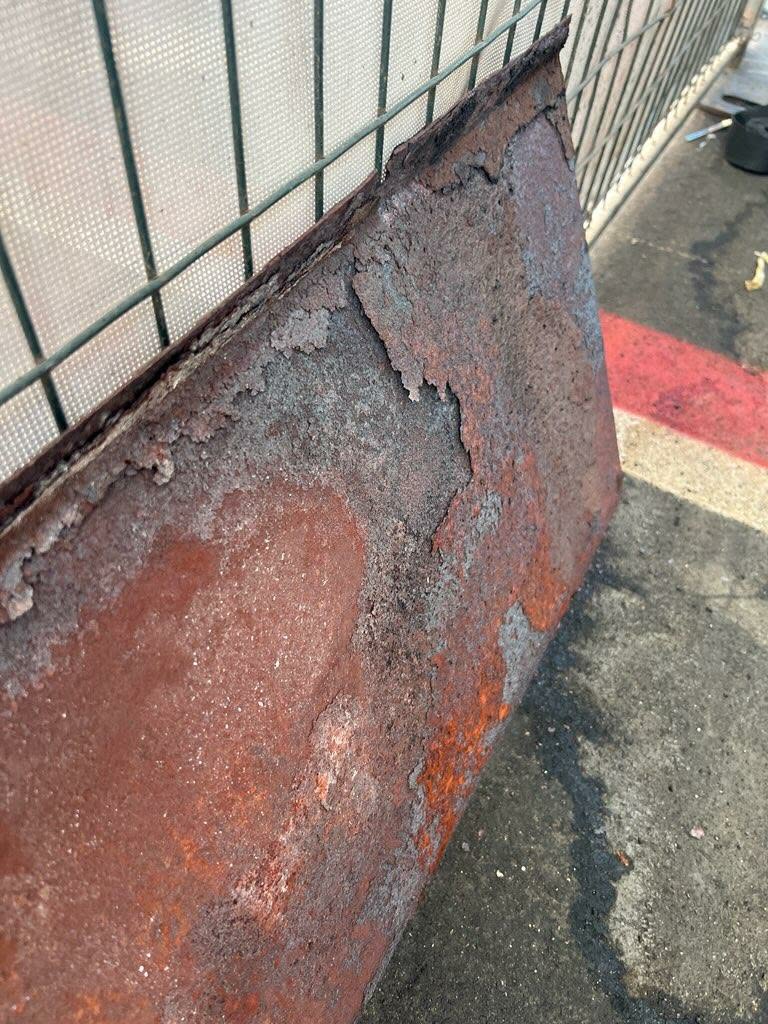
Because it sits directly in the path of heat, smoke, and moisture cycle after cycle for decades, it's usually the first piece of sheet metal inside the cabinet to rust out. What you're seeing in these photos is a deflector that's basically given up — scaled, flaking, and thin enough that it's coming apart in your hands.
What Happens If You Run Without It
You can pull a failed deflector and keep cooking. It's not a safety interlock and it's not part of the burner or airflow control system. That said, its whole purpose is to even out air distribution across the hanger racks. Without it, you may see less consistent airflow rack to rack — we don't have data on exactly how much that affects a given cook, so don't take this as a guarantee either way. If you notice more variation between racks after removing it, that's likely why.
Getting a Replacement Made
This isn't a part Southern Pride stocks as an off-the-shelf replacement for a unit this old. The straightforward fix is to take the old deflector — even in its current condition — to a local fab shop and have them cut a new one using it as a template. It's a flat piece of formed sheet metal with mounting holes for the cabinet ceiling, which makes it a simple job for anyone with basic metal fabrication capability.
If you're not sure whether what you're looking at is the deflector or something else, pull it down and compare it to these photos. Heavy surface rust, flaking layers, and edges that are thinning out or crumbling are typical of a deflector at the end of its life on a unit from this era.